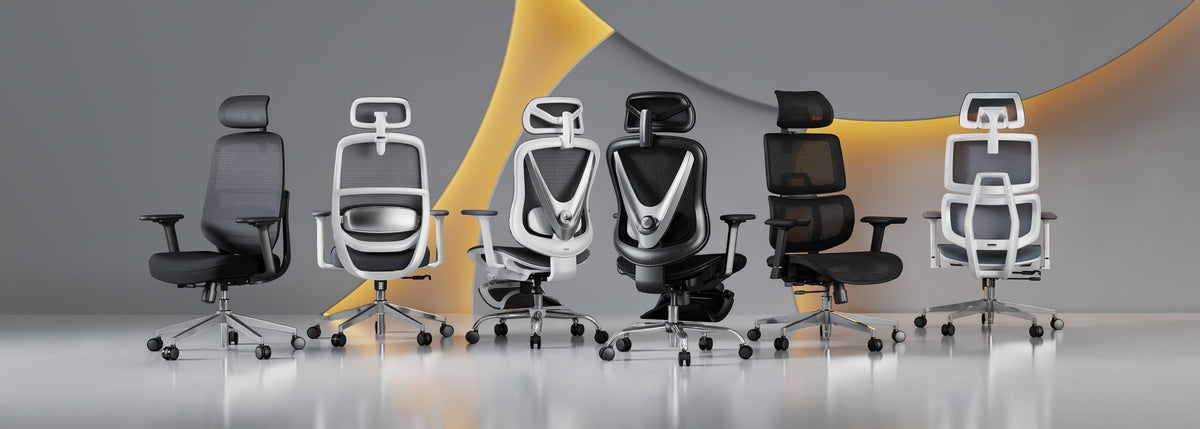
"Mesh seat or foam seat?"
It sounds like a trivial question — until you've spent 8 hours in a chair that digs into your thighs, leaves you sweating through your pants, or makes you shift constantly trying to find a comfortable position. The mesh-vs-foam debate is one of the longest-running and most passionate arguments in the office furniture world.
Team Mesh says: breathability, durability, no pressure points, no "bottoming out."
Team Foam says: contouring comfort, no thigh digging, better for long sessions, warmer in winter.
Both sides are right about some things and wrong about others. Let's break down what really matters after years of real-world experience.
Mesh Seat Pans: The Hype and the Reality
Mesh seats exploded in popularity after the Aeron launched in 1994, and they've dominated the "ergonomic" market ever since. Today, mesh is so synonymous with office chairs that many people assume it's automatically better. But the truth needs a closer look:
What Mesh Does Well
1. Breathability
This is mesh's undisputed superpower. A mesh seat allows air to circulate, meaning your legs and rear stay cooler during long sessions. If you work in a warm environment, run hot, or just hate that "sticky pants" feeling after a few hours, mesh is genuinely superior.
2. No "Bottoming Out"
Quality mesh (like elastomeric mesh) provides consistent, even support across the entire seat surface. Unlike foam — which compresses under your weight and can develop permanent indentations over years — high-quality mesh maintains its tension and support for a decade or more.
3. Easy to Clean
Spill coffee? Sweat a lot? Have pets? Mesh wipes clean and doesn't absorb liquids or odors the way fabric-upholstered foam can.
Where Mesh Falls Short
1. The "Thigh Digging" Problem
This is the #1 complaint about mesh seats. The front edge of a mesh seat — called the "waterfall edge" — can create a pressure point against the back of your thighs, especially if:
-
The seat pan is too deep for your leg length
-
The mesh is too stiff
-
You're lighter and don't sink into the mesh enough to distribute pressure
Over hours, this pressure can reduce circulation and cause numbness or discomfort in the legs. Some users report it exacerbating sciatica symptoms.
2. Not All Mesh Is Created Equal
There's a massive difference between the engineered, multi-zone elastomeric mesh on a premium chair and the thin, cheap mesh on a budget chair. Budget mesh:
-
Stretches unevenly, creating pressure points
-
Sags over 1–2 years, losing support
-
Can feel like sitting on a trampoline (too bouncy)
-
May have a rough, abrasive texture against bare skin
3. It Can Feel "Hard" to Some People
Mesh doesn't contour to your body the way foam does. If you prefer a soft, enveloping seat feel, mesh may feel like sitting on a taut surface rather than a cushion. This is subjective — some people love the "floating" feel, others hate it.
4. Cold in Winter
Mesh doesn't retain heat. In a cold office or winter home, a mesh seat can feel distinctly chilly under your legs until your body warms it up.
Foam Seat Pans: The Underrated Contender
Foam seats are often dismissed as "less ergonomic" or "budget," but the reality is more complex. Many high-end chairs — including some classic ergonomic chairs and numerous premium European chairs — use foam seats by choice, not compromise.
What Foam Does Well
1. Contouring and Pressure Distribution
Quality molded foam conforms to your body shape, distributing your weight across a larger surface area. This can reduce peak pressure on the ischial tuberosities (your "sit bones") and the back of the thighs. For people who find mesh too firm or pressure-point-inducing, foam can be a revelation.
2. No Thigh Digging
A well-designed foam seat with a proper waterfall edge doesn't create the same hard pressure line against your thighs. The foam compresses, allowing your legs to sink in slightly and reducing the "edge" effect.
3. Warmer and More "Cushioned" Feel
If you like the feeling of sitting in a comfortable seat rather than on a taut surface, foam delivers. It's warmer in winter and generally feels more "plush."
4. Quieter
Mesh seats can sometimes make subtle creaking or stretching sounds as you shift position. Foam is silent.
Where Foam Falls Short
1. Heat Buildup
Foam, especially when covered in fabric or leather, traps heat. After a few hours, your legs and rear can feel warm and sweaty. This is the #1 reason people switch from foam to mesh.
2. Durability Concerns
Cheaper foam compresses over time, developing a permanent "dent" where you sit. This is called "cold creep" or "compression set." Once foam bottoms out, it loses its support and can become uncomfortable. Quality high-density molded foam resists this for 5–10 years, but cheap foam can fail in 1–2 years.
3. Less Breathable
Even with breathable fabric upholstery, foam doesn't allow air circulation the way mesh does. If you run hot, this is a real issue.
4. Weight
Foam seats are generally heavier than mesh, which matters for shipping and maneuverability but not for daily use.
The Body Type Factor: Who Should Choose What
One important insight is that mesh-vs-foam preference often correlates with body type. Here's the pattern:
Mesh Tends to Work Better For:
-
Heavier users (200+ lbs / 90+ kg): More weight = more mesh deflection = better contouring and less thigh pressure. Heavy users often say mesh "just works" for them.
-
People who run hot: If you're always warm, mesh's breathability is a game-changer.
-
People in warm climates: Self-explanatory.
-
Users with good seat depth fit: If the seat pan depth is correct for your legs, the thigh-digging issue is minimized.
Foam Tends to Work Better For:
-
Lighter users (under 150 lbs / 68 kg): Lighter people often don't deflect mesh enough, meaning they sit "on top" of the mesh rather than "in" it. This can make mesh feel hard and increase thigh pressure. Foam compresses even under lighter weight.
-
People with sensitive thighs or circulation issues: If you've experienced numbness or pain from mesh edges, foam is worth trying.
-
People who prefer a softer, more cushioned feel: Subjective, but real.
-
People in cold environments: Foam stays warmer.
It Depends For:
-
Medium-weight users (150–200 lbs / 68–90 kg): This group is split. Some love mesh, some prefer foam. It comes down to personal preference and the specific chair's design.
The Middle Ground: Hybrid and Multi-Zone Solutions
The chair industry hasn't ignored this debate, and several solutions attempt to combine the best of both worlds:
1. Multi-Zone Mesh
Some premium meshes have multiple different tension zones — firmer under the sit bones, softer under the thighs and edges. This engineered approach reduces pressure points while maintaining breathability. It's not cheap, but it's why its users are so passionate.
2. Mesh-Back, Foam-Seat Combos
Many chairs offer a mesh backrest (for back breathability and support) with a foam seat (for comfort). This is a popular compromise — you get breathability where your back touches the chair and cushioning where you sit.
3. Gel-Infused Foam
Some mid-range and premium chairs use gel-infused or memory foam seats that dissipate heat better than standard foam while retaining the contouring benefit. Results are mixed — some users find them noticeably cooler, others say the difference is minimal.
4. Seat Pads and Cushions
If you love a chair's backrest but hate the seat, you can add a foam or gel seat pad on top of a mesh seat. This is a common workaround, though purists argue it changes the chair's ergonomics.
What Actually Matters: Practical Recommendations
After reviewing extensive user feedback, here's the consensus advice:
-
Don't decide based on material alone. A well-designed foam seat beats a poorly designed mesh seat, and vice versa. The chair's overall design — seat pan shape, waterfall edge, depth adjustment, mechanism — matters more than the material.
-
Try both if you can. This is the only way to know what your body prefers. Sit in a mesh chair for an hour, then a foam chair for an hour. Pay attention to thigh pressure, heat, and overall support.
-
Consider your environment. Hot climate? Lean mesh. Cold office? Lean foam.
-
Know your body. If you're under 150 lbs and have had issues with hard seats, prioritize foam or high-quality multi-zone mesh. If you're over 200 lbs and run hot, mesh is likely your friend.
-
Quality over material type. A premium foam seat with high-density molded foam and a proper waterfall edge will outperform a budget mesh chair with cheap, sagging mesh every time.
Quelsoft's Approach: Balancing Both Worlds
At Quelsoft, we understand that no single material works perfectly for everyone. That's why our chair design philosophy doesn't blindly take sides in the mesh-vs-foam debate. Instead, we focus on:
-
Optimized seat pan geometry — regardless of material, the waterfall edge curvature, seat angle, and depth adjustability often impact comfort more than the material itself.
-
High-density foam options — for users who choose foam, we use high-density molded foam that maintains its shape and support for 5+ years without premature compression.
-
Breathable fabric pairings — even with foam seats, we select highly breathable upholstery to minimize heat buildup as much as possible.
-
Professional testing on every chair — load testing, cycle testing, material durability, and ergonomic validation ensure that whichever material you choose, it meets a reliable standard of support.
We believe that the best choice isn't mesh or foam — it's the chair that fits your body.
Final Verdict
There is no objective winner in the mesh-vs-foam debate — there's only the right choice for your body, your environment, and your preferences.
-
Choose mesh if you value breathability, durability, and even support, and you're confident the seat fits your body (especially seat depth).
-
Choose foam if you prioritize contouring comfort, no thigh pressure, and warmth, and you're buying a chair with quality high-density foam that won't compress prematurely.
-
Consider a hybrid if you want the best of both worlds — many premium chairs now offer mesh backs with foam seats, or multi-zone mesh that addresses the common complaints.
The most important thing isn't whether your seat is mesh or foam. It's whether the chair as a whole — seat, back, lumbar, arms, mechanism — supports your body in a way that lets you work comfortably for hours.
Sit well.
Individual comfort preferences vary. Always try a chair before committing to a purchase when possible.